




Zinc-ion hybrid supercapacitor based on activated carbon cathode material
-
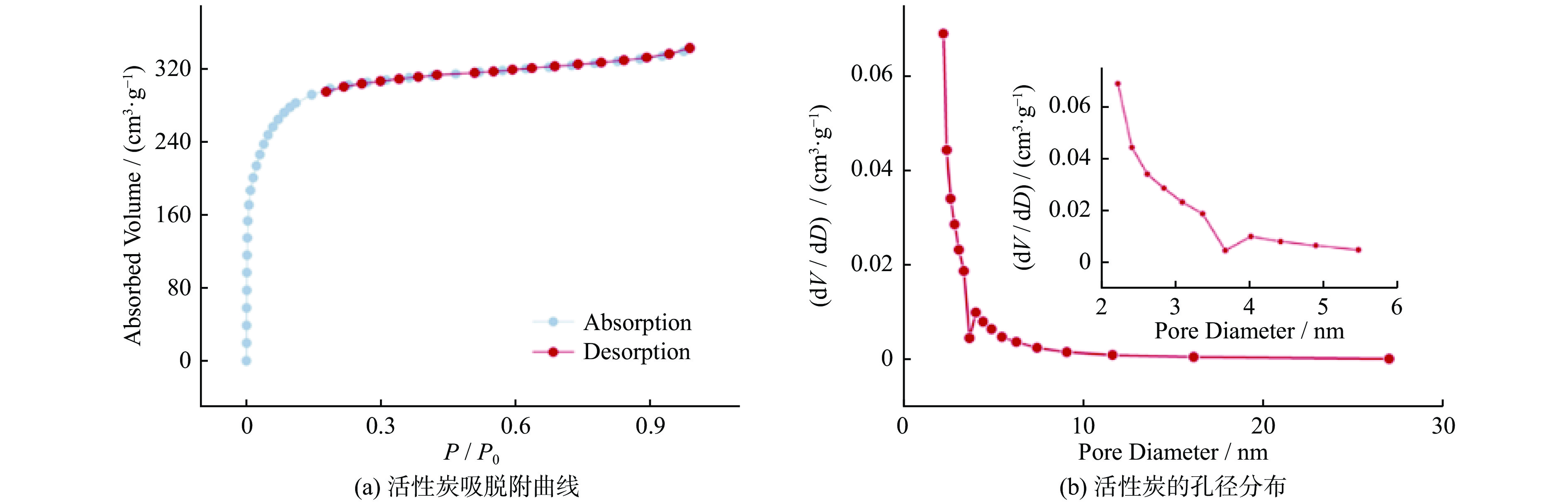
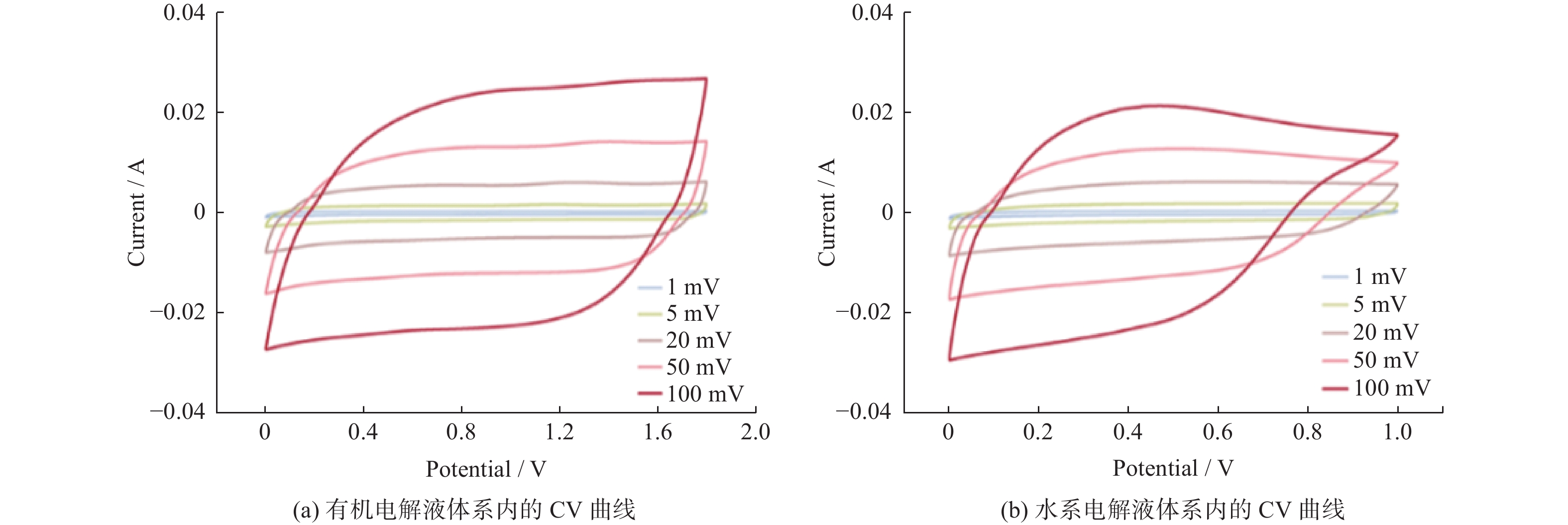
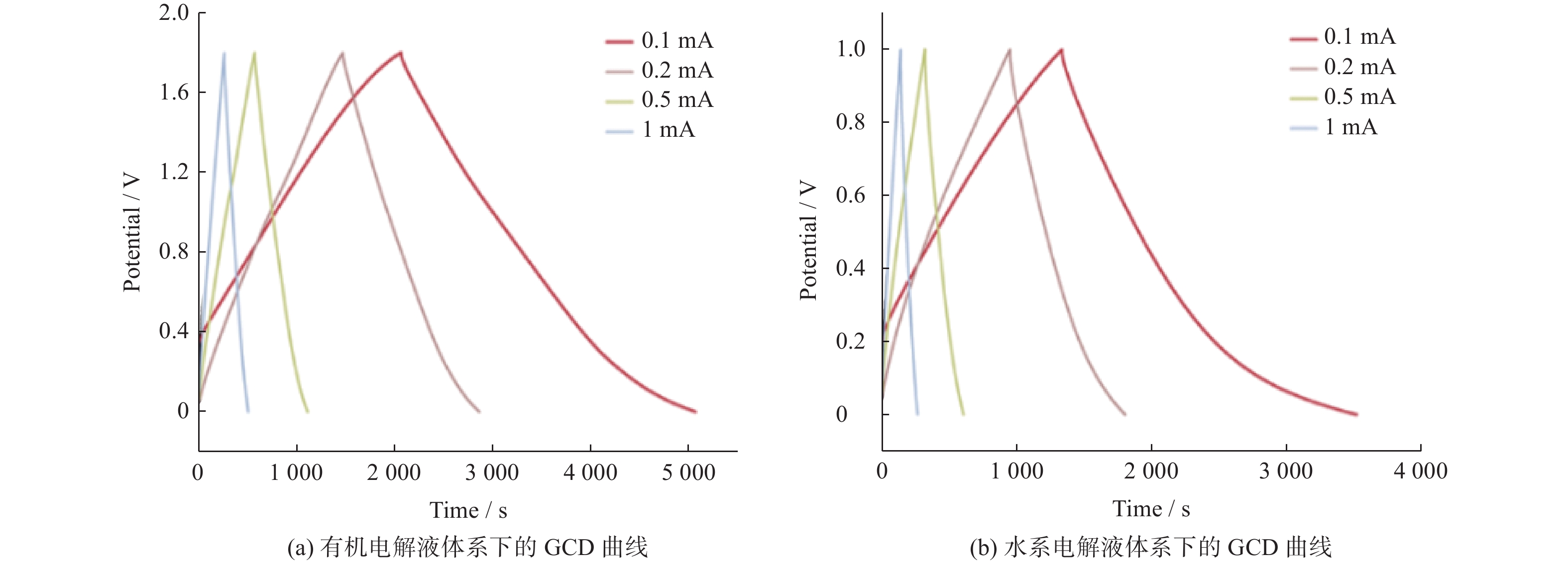
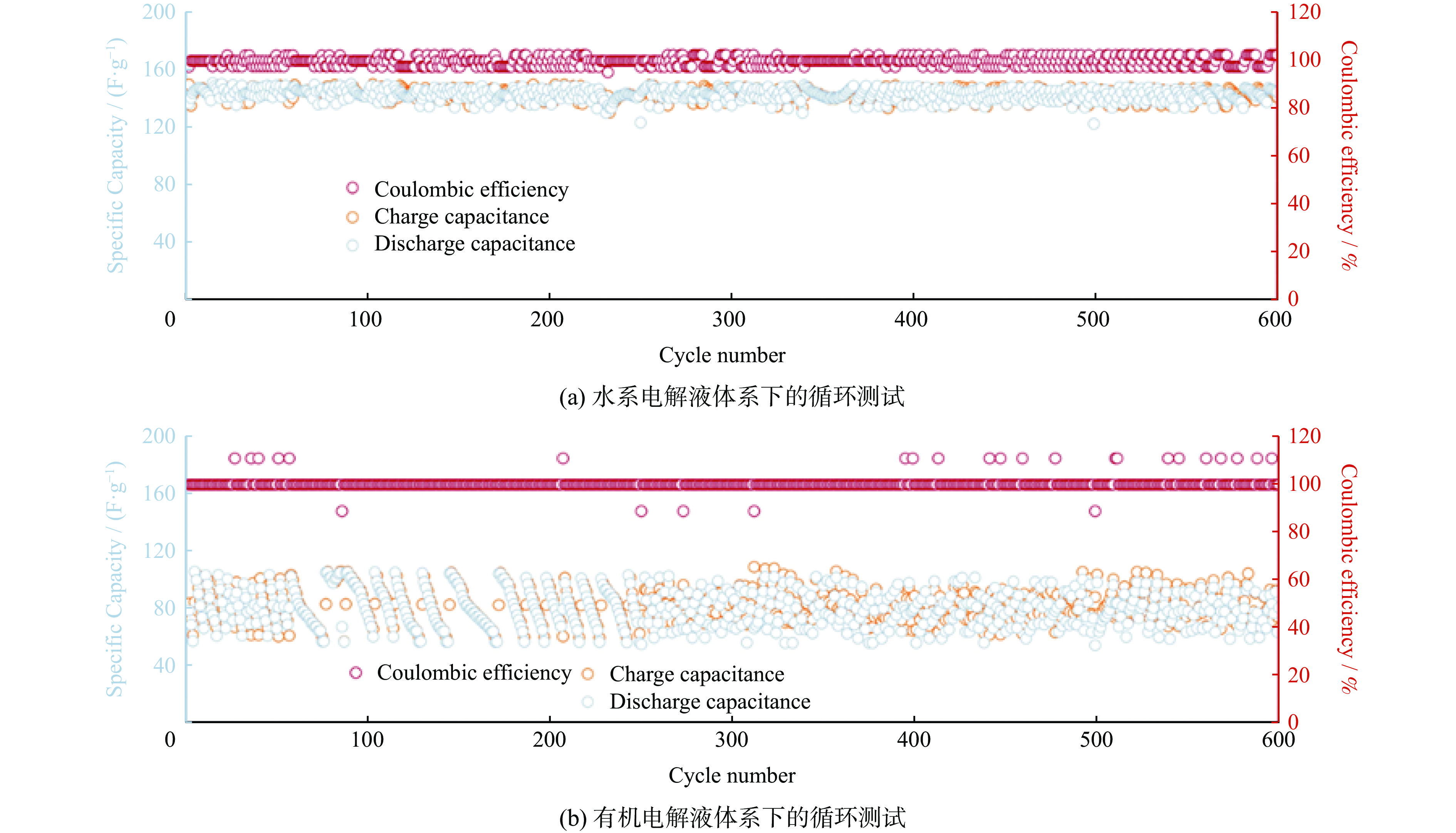
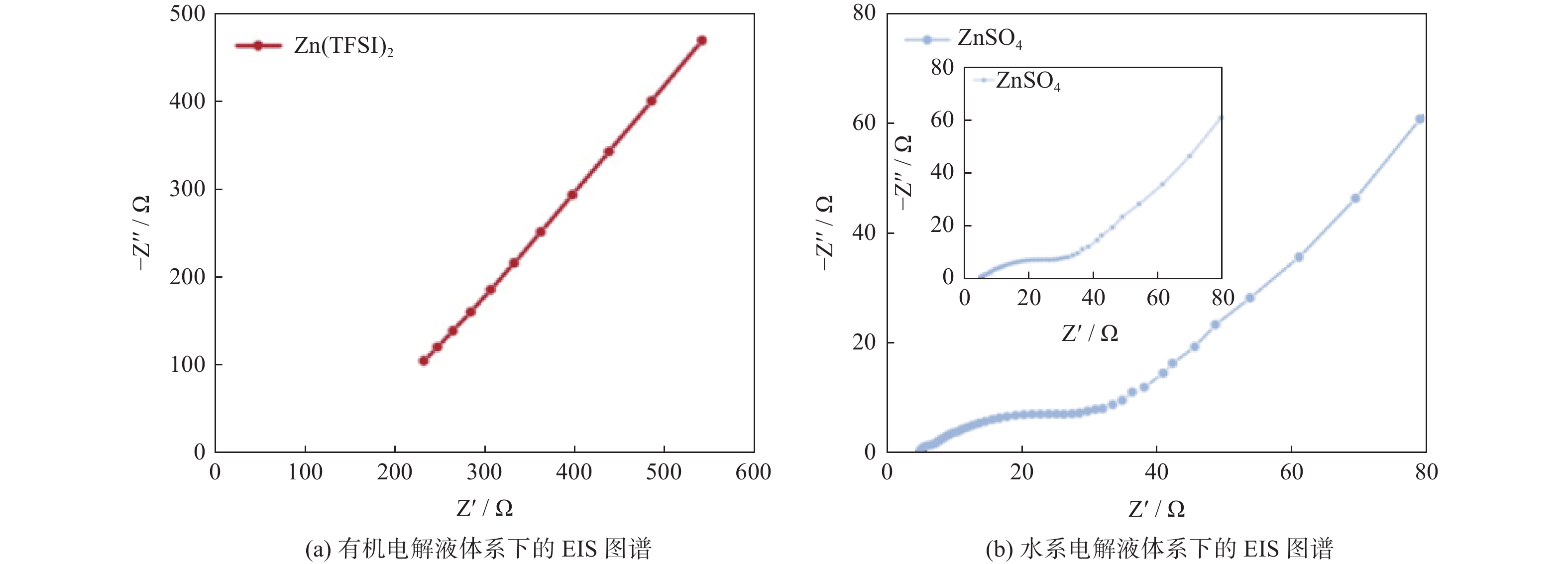
摘要: 为应对传统能源的不可持续及相关的环境问题,新能源储能器件日益得到重视。超级电容器因功率密度高、使用寿命长和绿色环保等特点受到广泛关注。以活性炭为阴极,分别在有机和水系电解液中组装CR2032型纽扣电池。在扫描速率为0.1 mV/s时,两种电解液对应的比电容分别为143.44和156.58 F/g;在电流密度为0.1 A/g时,两种电解液对应的比电容分别为79.54和95.92 F/g。有机体系中最大电位窗口达1.8 V;600次循环后,其比电容和库伦循环效率保持率均优于水系,表现出更好的稳定性,但水系的阻抗性能更加优异。Abstract: The unsustainability of traditional energy sources and environmental issues have led to an emphasis on new energy storage devices. Among them, supercapacitors have received widespread attention due to their high power density, long cycle life, and environmental friendliness. CR2032 coin cells were assembled using activated carbon as the cathode in both organic and aqueous electrolytes. At a scan rate of 0.1 mV/s, the specific capacitances of the organic and aqueous electrolytes were 143.44 and 156.58 F/g, respectively; at a current density of 0.1 A/g, the corresponding specific capacitances were 79.54 and 95.92 F/g. The organic system exhibited a maximum potential window of 1.8 V. After 600 cycles, the organic system demonstrated better stability in terms of specific capacitance and Coulomb cycle efficiency retention compared to the aqueous system. In contrast, the impedance behavior of the aqueous system was found to be superior.
-
Key words:
- activated carbon /
- hybrid supercapacitor /
- zinc ions /
- electrolyte /
- specific capacitance
-
表 1 电解液配方
Table 1. Electrolyte formulations
电解液 溶剂 溶质 浓度/(mol·L−1) 有机电解液 乙腈 Zn(TFSI)2 4 水系电解液 去离子水 ZnSO4 6  下载: 导出CSV
-
[1] SHAO Y L, EL-KADY M F, SUN J Y, et al. Design and mechanisms of asymmetric supercapacitors[J] . Chemical Reviews, 2018, 118(18): 9233 − 9280. doi: 10.1021/acs.chemrev.8b00252 [2] FORGHANI M, DONNE S W. Method comparison for deconvoluting capacitive and pseudo-capacitive contributions to electrochemical capacitor electrode behavior[J] . Journal of the Electrochemical Society, 2018, 165(3): A664 − A673. doi: 10.1149/2.0931803jes [3] 韩亚伟, 姜挥, 付强, 等. 超级电容器国内外应用现状研究[J] . 上海节能, 2021(1): 43 − 52. [4] QU Q T, ZHANG P, WANG B, et al. Electrochemical performance of MnO2 nanorods in neutral aqueous electrolytes as a cathode for asymmetric supercapacitors[J] . The Journal of Physical Chemistry C, 2009, 113(31): 14020 − 14027. doi: 10.1021/jp8113094 [5] CHEN P C, SHEN G Z, SHI Y, et al. Preparation and characterization of flexible asymmetric supercapacitors based on transition-metal-oxide nanowire/single-walled carbon nanotube hybrid thin-film electrodes[J] . ACS Nano, 2010, 4(8): 4403 − 4411. doi: 10.1021/nn100856y [6] TANG Z, TANG C H, GONG H. A high energy density asymmetric supercapacitor from nano-architectured Ni(OH)2/carbon nanotube electrodes[J] . Advanced Functional Materials, 2012, 22(6): 1272 − 1278. doi: 10.1002/adfm.201102796 [7] YUAN C Z, LI J Y, HOU L R, et al. Ultrathin mesoporous NiCo2O4 nanosheets supported on Ni foam as advanced electrodes for supercapacitors[J] . Advanced Functional Materials, 2012, 22(21): 4592 − 4597. doi: 10.1002/adfm.201200994 [8] LUO J M, FANG C, JIN C B, et al. Tunable pseudocapacitance storage of MXene by cation pillaring for high performance sodium-ion capacitors[J] . Journal of Materials Chemistry A, 2018, 6(17): 7794 − 7806. doi: 10.1039/C8TA02068J -

 下载:
下载:

 点击查看大图
图(6) / 表(1)
计量
- 文章访问数: 919
- HTML全文浏览量: 592
- PDF下载量: 127
- 被引次数: 0
