




Design and mechanical analysis of 3D printed concrete reinforced structure
-
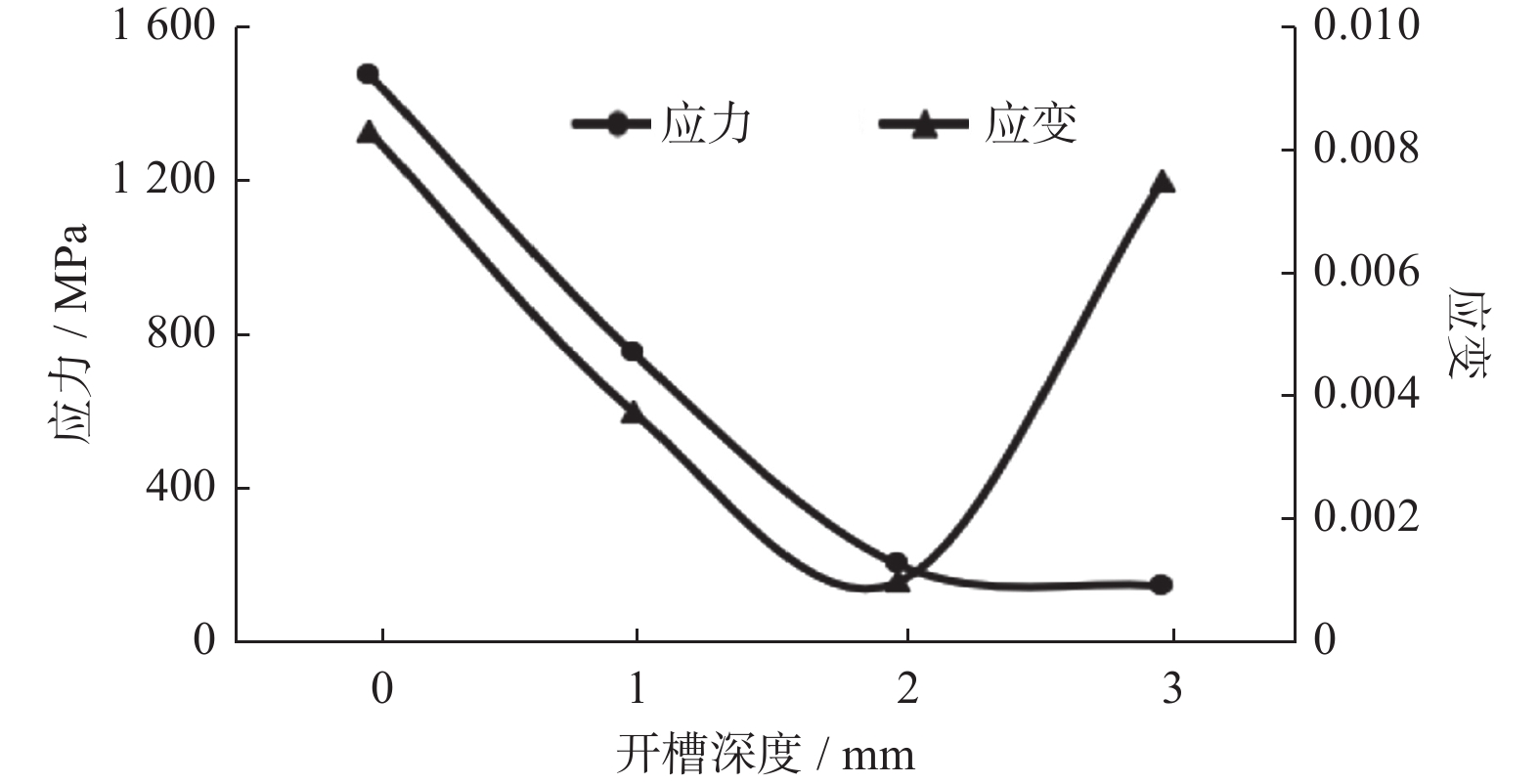
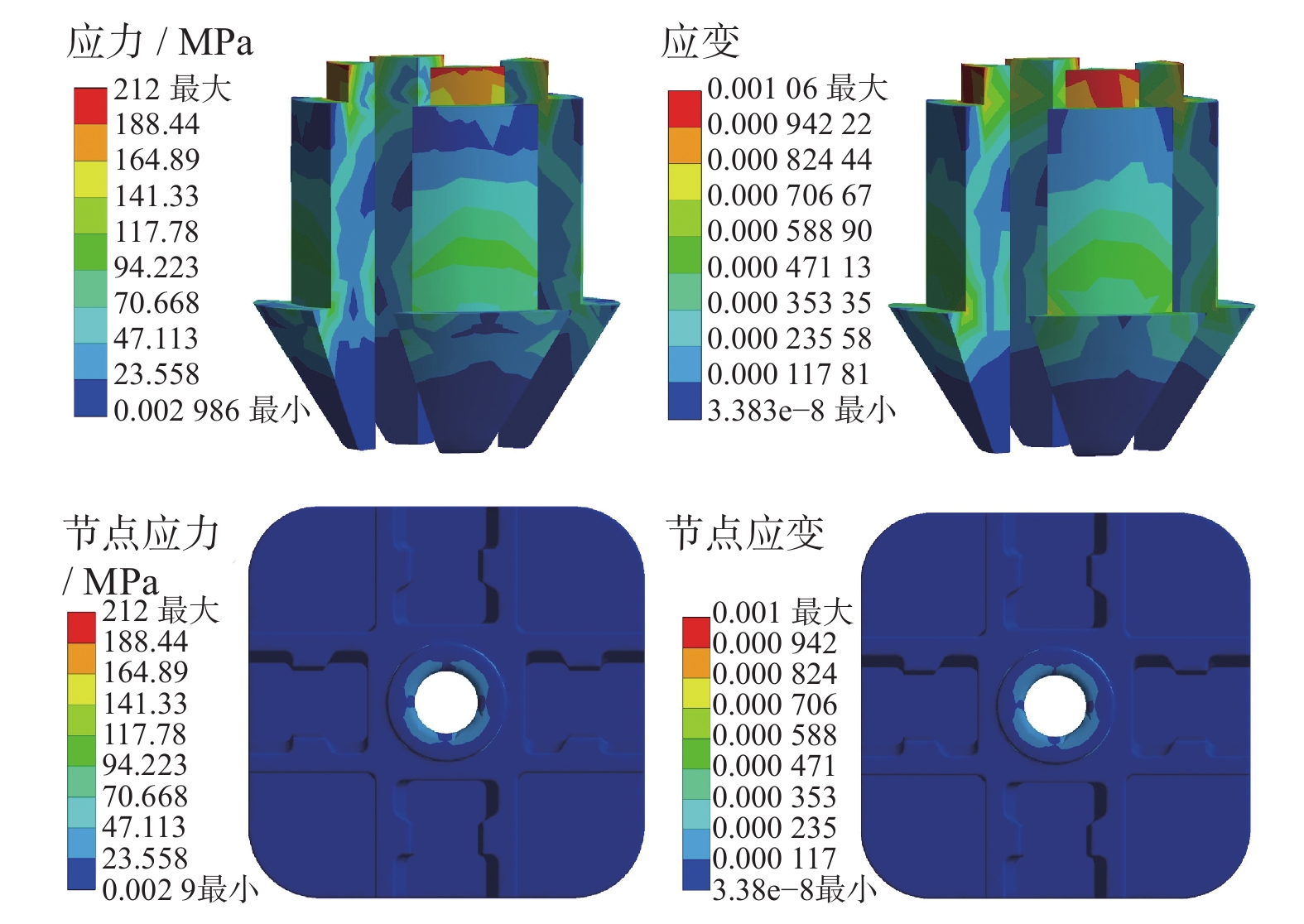
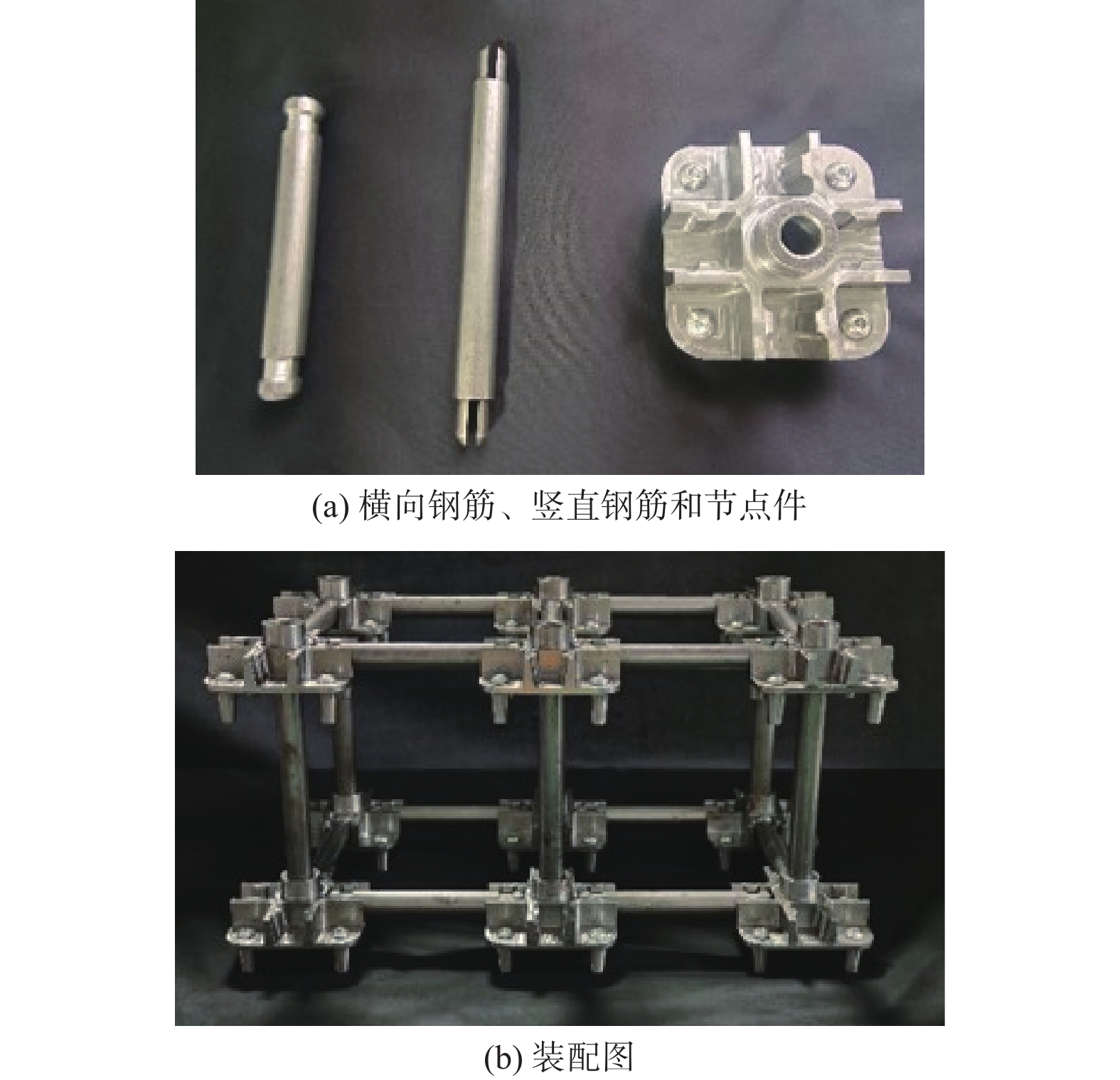
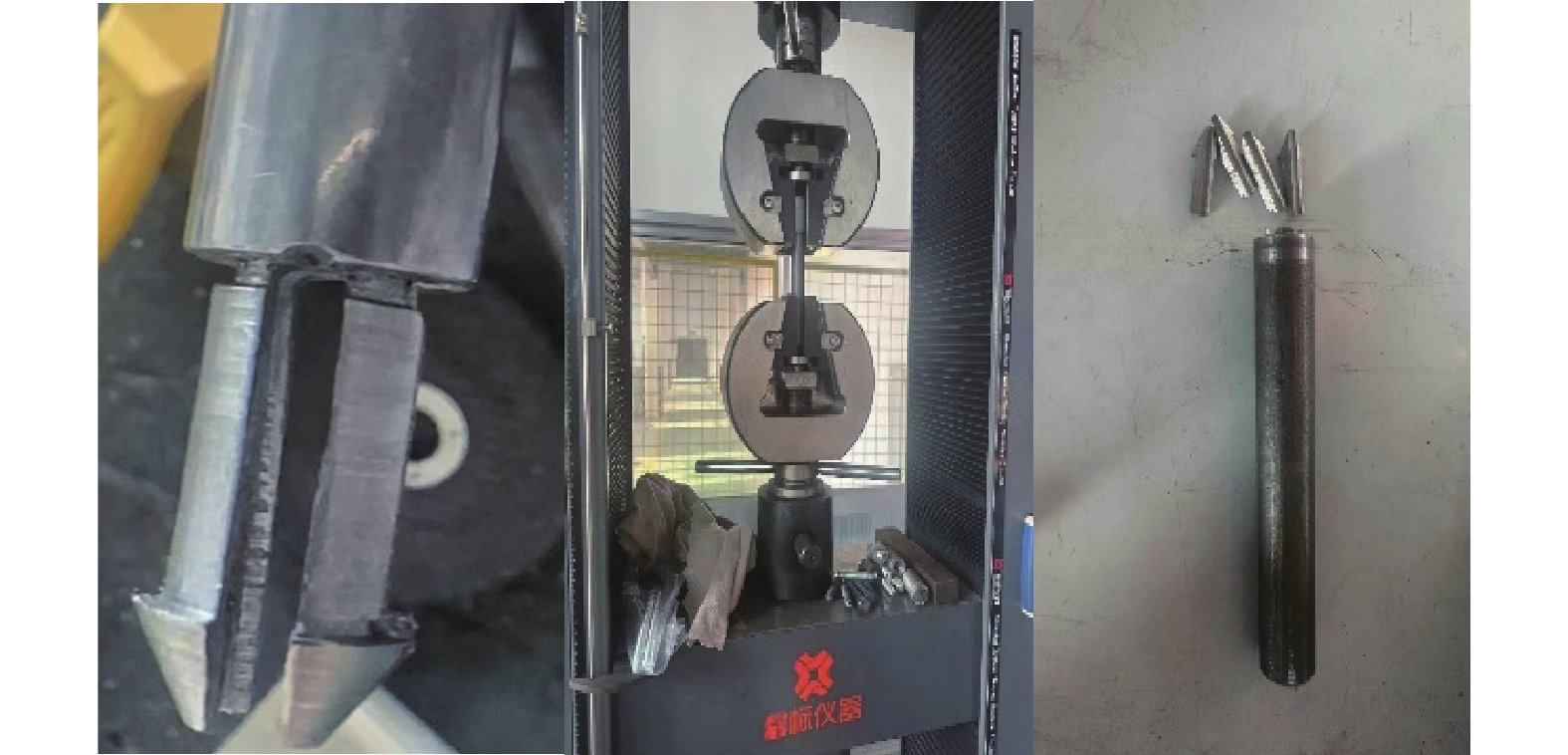
摘要: 针对目前3D打印混凝土建筑强度有限的问题,提出一种配筋增强连接方法。首先根据3D打印混凝土流程设计配筋工艺及配筋结构,对配筋结构中强度薄弱构件竖直钢筋进行力学分析,求出竖直钢筋的末端尖部最优结构参数。对竖直钢筋末端尖部的插入与拉拔情况进行有限元仿真分析,确定其数量及根部开槽尺寸。对加工实物进行试验测试,结果表明:竖直钢筋末端四尖结构根部开槽2 mm承载效果最优。配筋结构可承载7.13 MPa抗拉载荷,相比普通C20混凝土强度提高463%,相比混凝土中添加增强材料的超高性能混凝土强度提高264%,可有效提高打印建筑强度。Abstract: To address the limited strength in 3D printed concrete buildings, a reinforcement-enhanced connection method was proposed. First, the reinforcement process and structure were designed based on the 3D printing concrete process, and a mechanical analysis was conducted on the vertical steel bars, which are the weak components in the reinforced structure, to determine the optimal structural parameters of the sharp end of the vertical steel bars. Finite element simulation was performed to analyze the insertion and pull-out behavior of the sharp end of the vertical steel bars, and the number of sharp ends and the groove size at the root were determined. Physical specimens were fabricated and experimentally tested. The results show that the four-pronged structure with a 2 mm groove at the root of the vertical steel bars achieves the optimal bearing performance. The reinforced structure can bear a tensile load of 7.13 MPa, which is 463% higher than that of ordinary C20 concrete and 264% higher than that of ultra-high-performance concrete with reinforcing materials added. This method can effectively improve the strength of printed buildings.
-
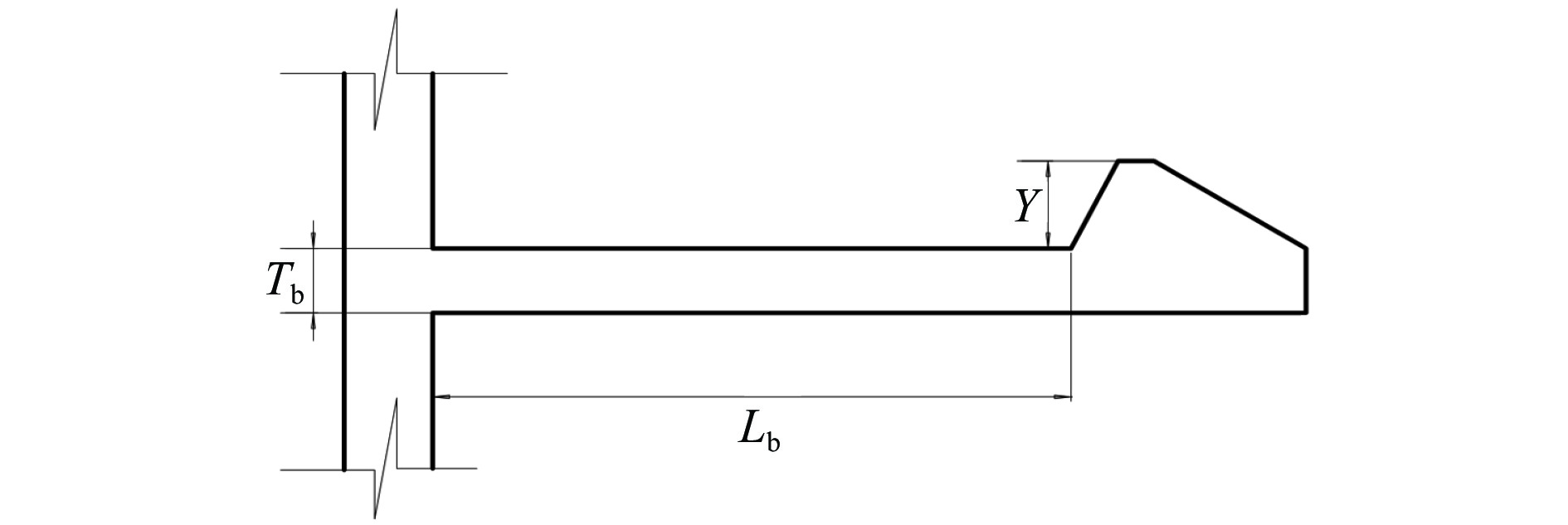
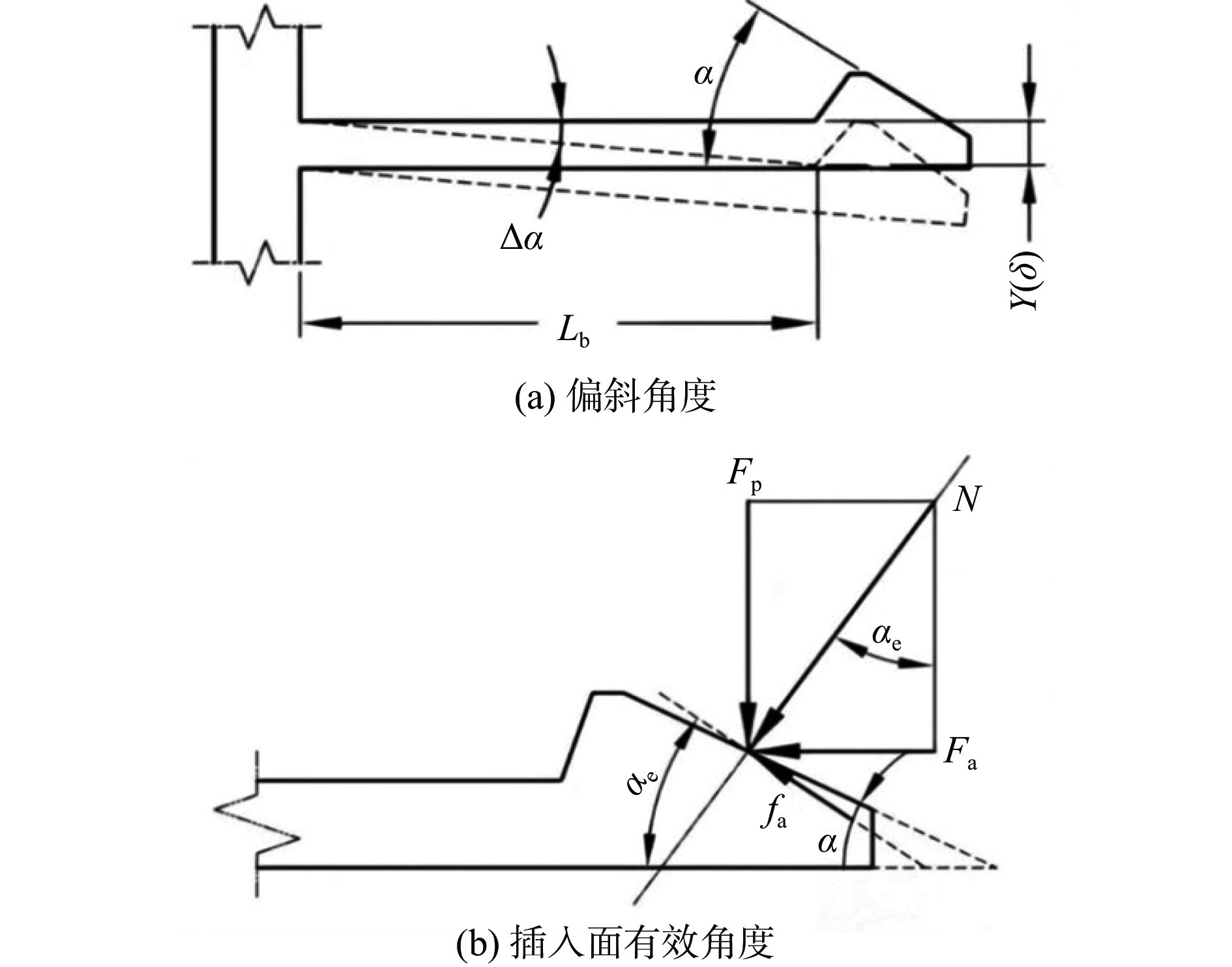
表 1 尖部参数计算结果
Table 1. Calculation results of tip parameters
Y/mm Lr/mm Fa/N Fr/N 2.1 4.5 325.3 2118.5  下载: 导出CSV
表 2 2至4尖钢筋尖部抗拉仿真应力结果
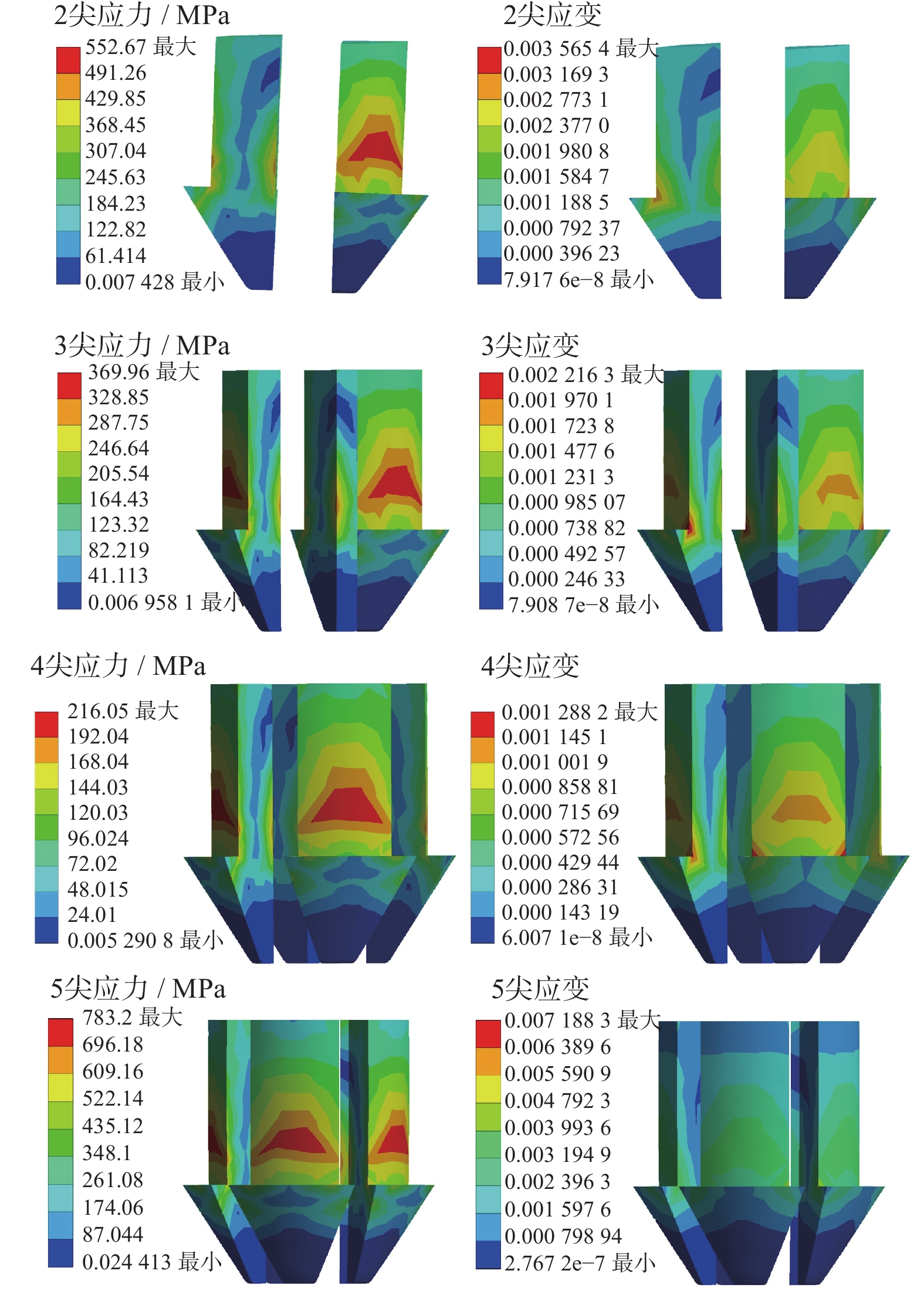
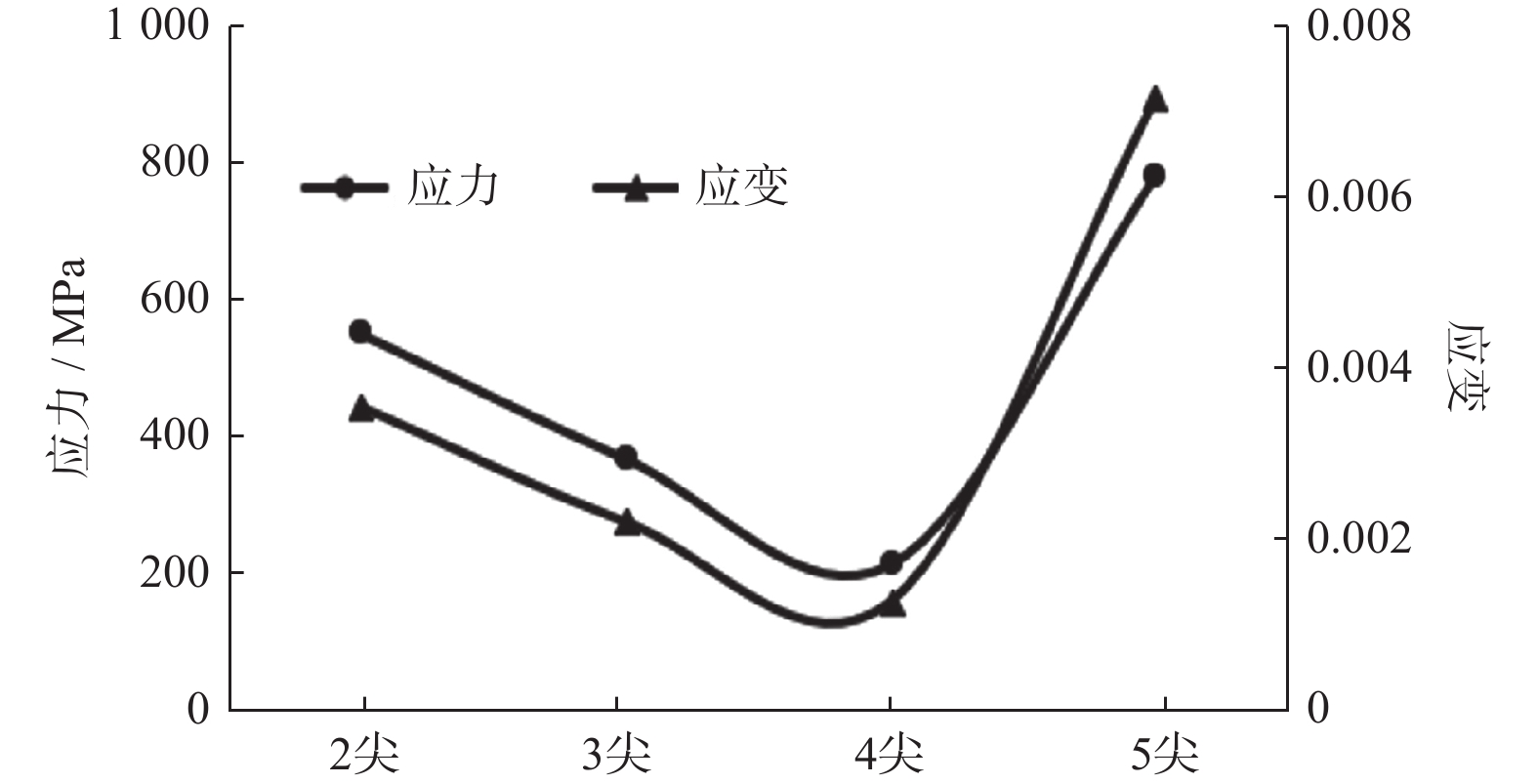
Table 2. Simulation results of tensile of 2-4 pointed steel bars
单位:MPa 参数 2尖 3尖 4尖 理论值 535.21 359.64 208.81 仿真值 552.67 369.96 216.05 误差/% 3.05 2.79 3.35
下载: 导出CSV
-
[1] 肖力光, 仲小康. 3D打印粗骨料混凝土的研究进展及应用[J] . 混凝土, 2024(6): 169 − 172,179. doi: 10.3969/j.issn.1002-3550.2024.06.032 [2] 薛龙. 3D打印水泥基材料的制备与性能研究[D] . 北京: 北京工业大学, 2017. [3] Arunothayan A R, Nematollahi B, Ranade R, et al. Development of 3D-printable ultra-high performance fiber-reinforced concrete for digital construction[J] . Construction and Building Materials, 2020, 257: 119546. doi: 10.1016/j.conbuildmat.2020.119546 [4] Mechtcherine V, Grafe J, Nerella V N, et al. 3D-printed steel reinforcement for digital concrete construction-manufacture, mechanical properties and bond behaviour[J] . Construction and Building Materials, 2018, 179: 125 − 137. doi: 10.1016/j.conbuildmat.2018.05.202 [5] Hack N, Lauer W V. Mesh-mould: robotically fabricated spatial meshes as reinforced concrete formwork[J] . Architectural Design, 2014, 84(3): 44 − 53. doi: 10.1002/ad.1753 [6] Wangler T, Roussel N, Bos F P, et al. Digital concrete: a review[J] . Cement and Concrete Research, 2019, 123: 105780. doi: 10.1016/j.cemconres.2019.105780 [7] Javed A, Mantawy I M, Azizinamini A. 3D-printing of ultra-high-performance concrete for robotic bridge construction[J] . Transportation Research Record: Journal of the Transportation Research Board, 2021, 2675(7): 307 − 319. doi: 10.1177/03611981211011645 [8] De Schutter G, Lesage K, Mechtcherine V, et al. Vision of 3D printing with concrete-technical, economic and environmental potentials[J] . Cement and Concrete Research, 2018, 112: 25 − 36. doi: 10.1016/j.cemconres.2018.06.001 [9] 张信龙, 王学历, 王庆贺, 等. 基于不同螺栓扭矩的钢框架预制混凝土外挂墙板新型连接节点试验研究[J] . 混凝土, 2023(10): 163 − 167. doi: 10.3969/j.issn.1002-3550.2023.10.034 [10] 于海华. 悬臂钩卡扣装配有限元分析及优化设计[D] . 南京: 南京理工大学, 2009. [11] 博登伯杰 保罗 R. 塑料卡扣连接技术[M] . 冯连勋, 马秀清, 董力群, 等, 译. 北京: 化学工业出版社, 2004: 235. -

 下载:

 点击查看大图
图(13) / 表(2)
计量
- 文章访问数: 10
- HTML全文浏览量: 5
- PDF下载量: 1
- 被引次数: 0
